On this page
Gold’s Safe-Haven Myth Exposed by Iran Crisis
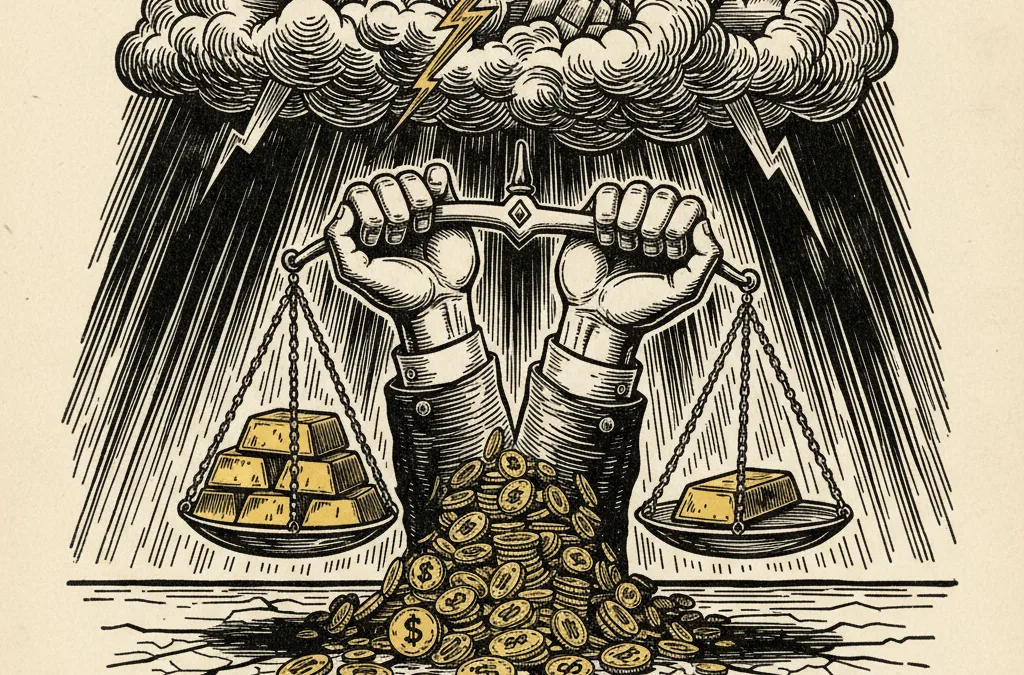
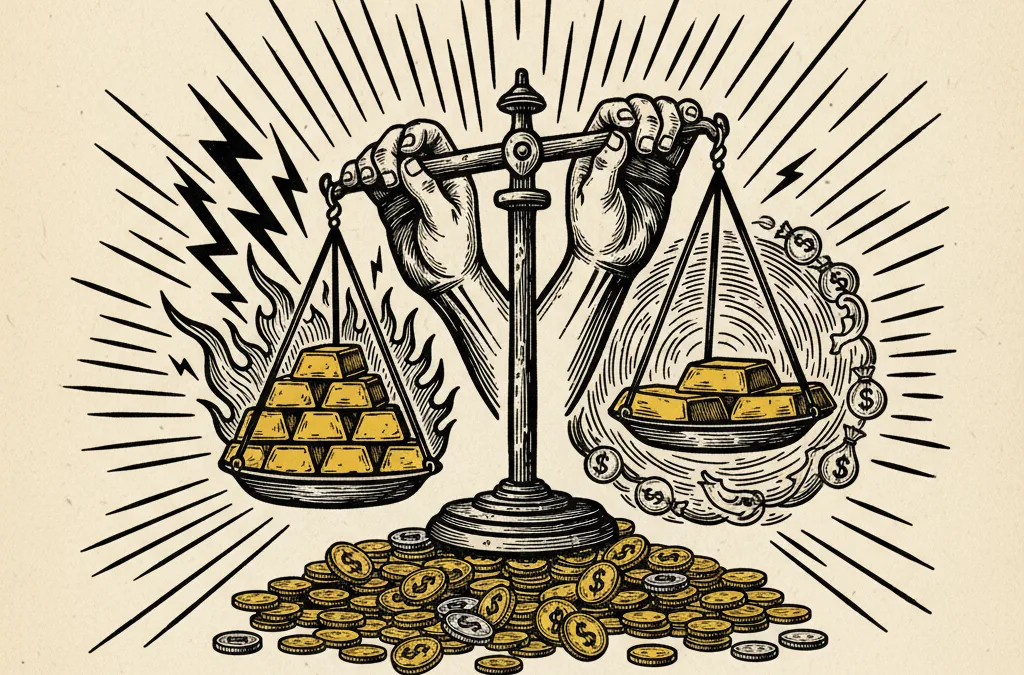
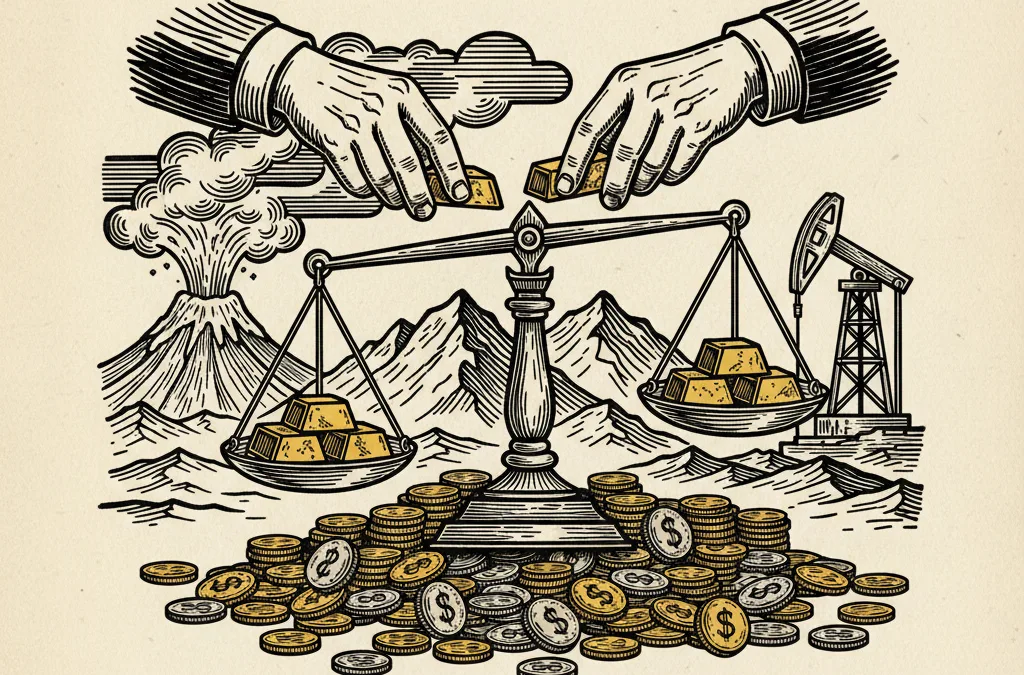
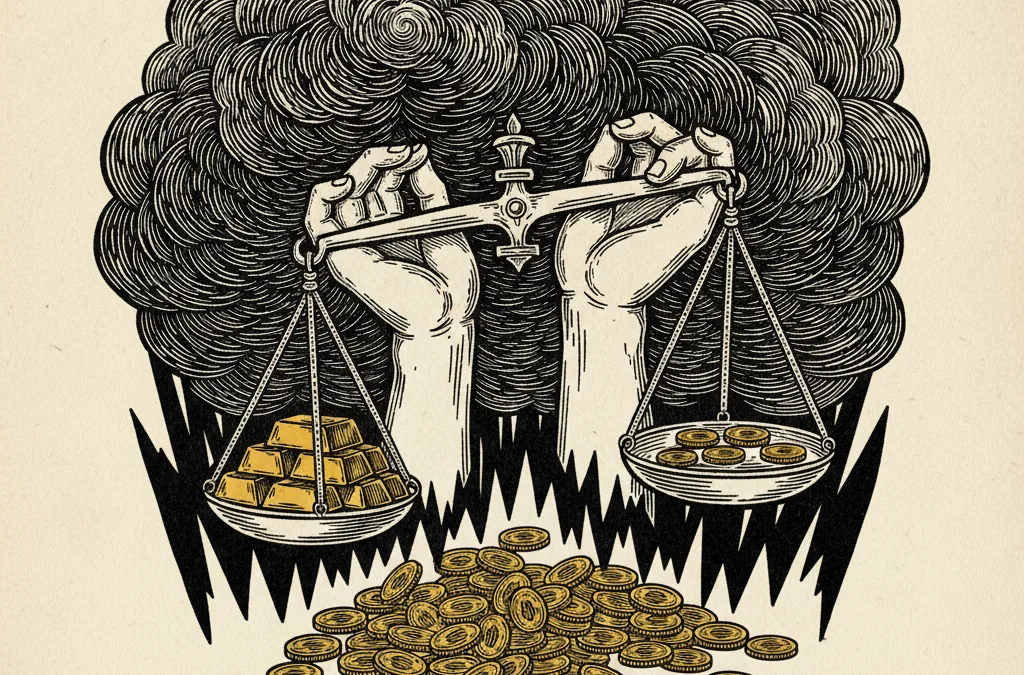
Despite escalating tensions with Iran, gold at $4,574 has flatlined when it should be surging - forcing a rethink of what actually drives the metal in 2026.
What to know
-
Gold has shown zero meaningful price response to the Iran crisis, sitting flat at $4,574.70/oz with no weekly or monthly change despite rising geopolitical risk.
-
The traditional geopolitical risk premium in gold appears to have been structurally displaced by macro factors - real rates, dollar strength, and central bank policy now dominate.
-
UK inflation data due today and broader macro releases this week are likely to move gold more than any military escalation in the Middle East.
What happened
With Iran tensions at their most acute in years, gold is sitting at $4,574.70/oz with effectively zero movement over the past week and month. The day range has compressed to a single point. For a metal that supposedly thrives on fear, this is a remarkable non-event.
The gold-silver ratio at 62.5 tells a similar story - no flight to safety, no panic reallocation from industrial to monetary metals. Silver holds at $73.20, platinum at $1,957.60, and palladium at $1,465.50, all equally unmoved. The entire precious metals complex is shrugging at a geopolitical flashpoint that, even five years ago, would have triggered a sharp bid.
Who’s involved
Central banks remain the dominant force in gold markets, and their buying behaviour has shifted. The massive accumulation programmes of 2023-2025 - which helped push gold from $2,000 to above $4,500 - were driven by de-dollarisation and reserve diversification, not geopolitical hedging. That structural bid appears to have plateaued, removing the automatic floor that amplified every crisis.
Institutional investors are also positioned differently. Macro funds have increasingly treated gold as a real-rate play rather than a tail-risk hedge. With the Fed holding rates elevated and the dollar maintaining relative strength, the opportunity cost of holding a non-yielding asset remains significant. Retail investors, meanwhile, seem to have already priced in a permanent state of geopolitical tension - a kind of crisis fatigue that dulls the reflexive rush to bullion.
The options market confirms this apathy. Implied volatility in gold has not spiked in the way it did during the Russia-Ukraine escalation of 2022 or the initial Hamas-Israel conflict in late 2023. Dealers are not hedging for a geopolitical breakout.
Why it matters
The breakdown of gold’s geopolitical response function is one of the most significant shifts in precious metals markets this decade. From the Gulf War through to the early Ukraine conflict, the playbook was simple: bombs fall, gold rises. That correlation has quietly collapsed.
Gold’s rally from $2,000 to $4,500 over the past three years was driven almost entirely by central bank purchases, inflation hedging, and periodic dollar weakness - not by wars or sanctions. The Iran situation is simply the latest confirmation that geopolitics, absent a direct threat to energy supply chains or the dollar system itself, no longer moves the needle.
This changes how portfolios should be constructed. Allocating to gold as a geopolitical hedge is, in the current regime, a misallocation. The metal responds to monetary policy shifts, real rate expectations, and sovereign reserve decisions. A conflict that does not alter those variables will not alter the gold price.
What to watch
UK inflation data releasing today carries more weight for gold than anything happening in the Strait of Hormuz. A hot print could shift Bank of England rate expectations, strengthen sterling, and create cross-currency effects that ripple into dollar-denominated metals.
Beyond today, the key variables remain unchanged: Fed rate trajectory, central bank reserve purchases (particularly from China and India), and the dollar index. If Iran tensions escalate to the point of genuine oil supply disruption - a blockade of the strait or direct conflict involving US forces - energy-driven inflation could reignite gold’s bid through the macro channel rather than the fear channel. Any break above $4,600 or below $4,500 would signal this compression is resolving, but for now gold is responding to rates, not rockets.
This article is for informational purposes only and does not constitute financial advice. Always do your own research before making investment decisions.