On this page
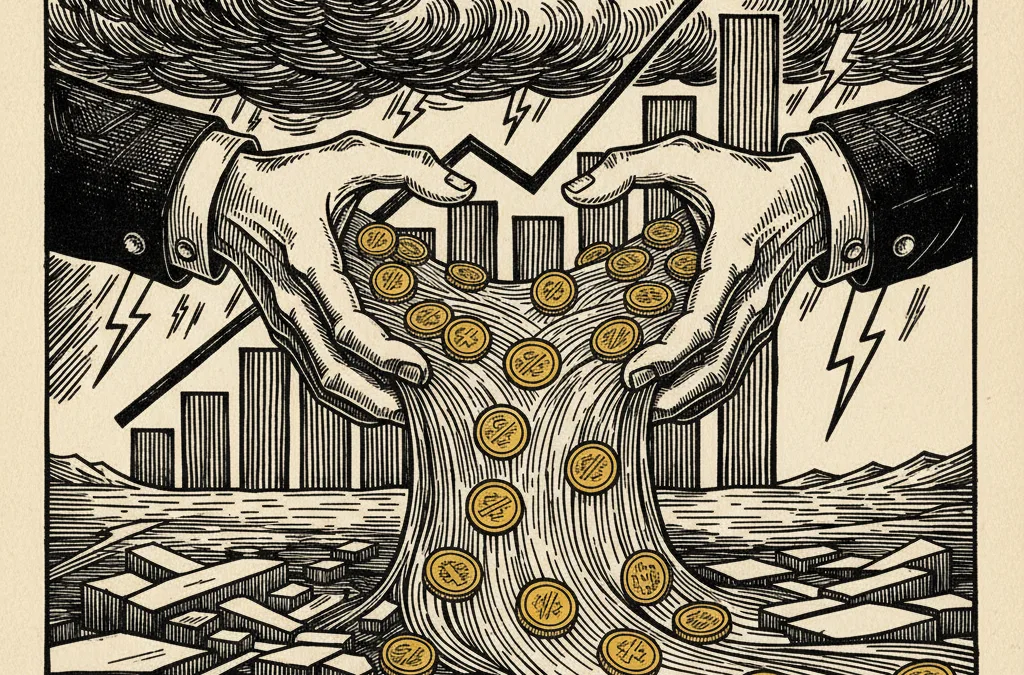
Gold ETFs Bleed Despite $5,000 Price - Physical Diverges
Paper gold is selling off while physical bullion holds firm at elevated levels, exposing a widening rift in how investors access precious metals during volatility.
What to know
-
Gold and silver ETFs are experiencing outflows even as spot gold trades near $5,042 per ounce, up 9.87% over the past month
-
Physical bullion markets show tighter premiums and resilient demand, diverging from the paper market sell-off
-
The gap between ETF behavior and physical markets suggests institutional repositioning while retail buyers accumulate metal
What happened
Gold and silver ETFs are hemorrhaging assets during a period of intense market volatility, even as physical bullion prices remain elevated. Gold sits at $5,042 per ounce - just 10% below its recent monthly high of $5,586 - yet exchange-traded products tracking the metal are seeing steady redemptions. Silver has pulled back more sharply, down 9.28% over the past month to $77.91, but the sell-off in silver ETFs has been disproportionately severe relative to the spot price decline.
The divergence is striking: while paper gold vehicles face outflows, physical dealers report sustained demand and premiums that haven’t collapsed despite the ETF exodus. This creates a two-tier market where your exposure type determines your experience of the same underlying asset.
Who’s involved
ETF investors - typically institutional players and momentum-driven retail traders - are exiting positions as volatility spikes. These holders prioritize liquidity and often use precious metals as portfolio hedges that get unwound during broader market stress. When correlations break down and everything sells off together, ETFs become the easiest exit point.
Physical bullion buyers, by contrast, tend to be long-term holders and direct investors who view metals as wealth preservation rather than tactical trades. This cohort includes high-net-worth individuals, family offices, and retail investors following our precious metals guides to build positions outside the financial system. Their buying behavior doesn’t show up in ETF flow data, creating an invisible bid under physical markets.
Central banks remain net buyers, though their activity doesn’t flow through Western ETF structures. That adds another layer of support to physical gold that paper products don’t capture.
Why does the split matter
ETFs were designed to democratize access and improve liquidity, but they’ve also financialized metals in ways that disconnect them from physical supply-demand dynamics. When institutional flows dominate ETF activity, these vehicles can trade more like risk assets than safe havens - especially during acute volatility.
The gold-silver ratio at 64.7 sits near historical averages, but silver’s 5.07% weekly decline versus gold’s relative stability suggests the ETF sell-off is hitting the more speculative metal harder. Silver ETFs carry a higher proportion of tactical traders compared to gold’s mix of strategic allocators.
For investors wondering whether silver at $77 is an entry point or a trap, the answer appears to depend on which vehicle you’re considering. Physical silver remains harder to source at spot prices, while ETF shares trade with deep liquidity but carry redemption risk if outflows accelerate.
What happens if ETF inventories keep falling
ETF inventory levels against spot price action will show whether the physical market is absorbing supply that paper holders are dumping. If inventories continue declining while prices stabilize or rise, that would be constructive for prices once the ETF liquidation exhausts itself.
Premiums at major dealers matter more than usual right now. Widening premiums on physical bullion relative to spot would signal the divergence is intensifying. For UK investors exploring how to buy silver or evaluating the best silver dealers, premium trends will indicate whether physical markets are truly decoupling.
Equity market stabilization could slow ETF outflows. If stocks find footing and volatility compresses, that would allow physical demand to reassert itself in price discovery - though the timing remains uncertain. This article is for informational purposes only and does not constitute financial advice. Always do your own research before making investment decisions.