On this page
Silver at $77 - Is This the Entry Point or a Trap?
Silver’s 10% monthly decline masks a deeper question about whether current levels represent value or the start of a longer correction in precious metals.
What to know
- Silver has dropped 10.21% over the past month to $77.11/oz, while gold surged 9.02% to above $5,000
- The gold-silver ratio now sits at 64.9, suggesting silver is relatively expensive compared to historical averages
- Silver’s 6% weekly decline signals potential volatility ahead despite year-to-date strength
What’s behind silver’s recent weakness?
Silver has pulled back 10.21% over the past month to $77.11/oz while gold climbed 9.02% to breach $5,000. This 6% weekly decline appears to reflect profit-taking after an aggressive run-up earlier in the year. When gold makes new highs and silver retreats, it typically signals either industrial demand concerns or a reassessment of the metal’s dual role as both precious and industrial commodity.
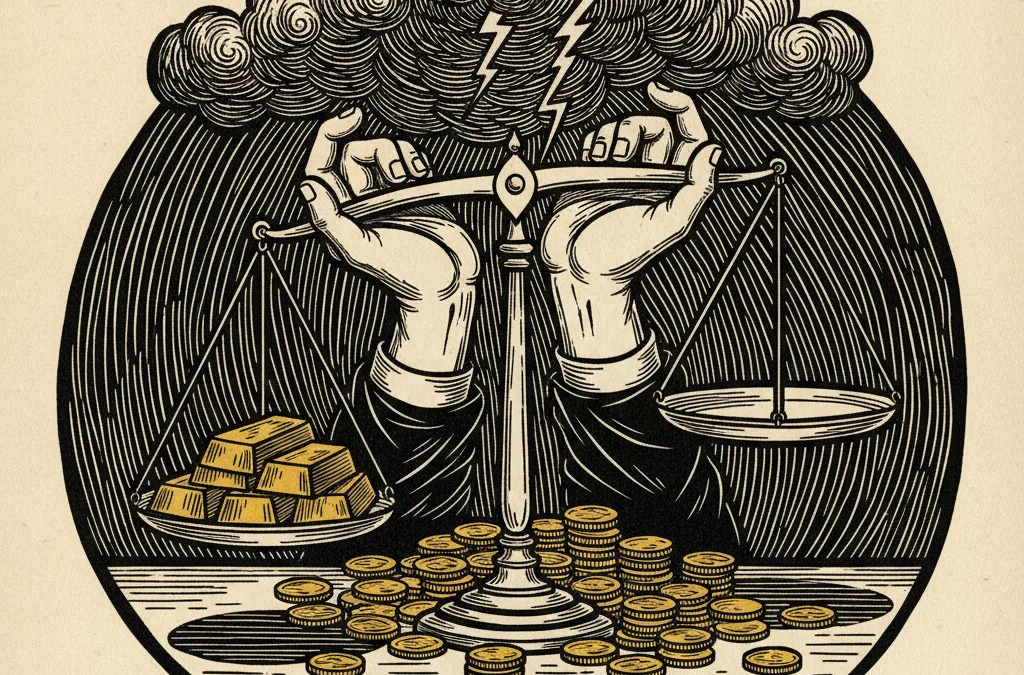
The gold-silver ratio currently stands at 64.9, meaning it takes nearly 65 ounces of silver to buy one ounce of gold. Historically, ratios above 70 have suggested silver is undervalued relative to gold, while readings below 50 indicate the opposite. At 64.9, we’re in neutral territory.
Why does the current price level matter for investors?
Silver has demonstrated significant volatility this month, with intraday swings between $73.75 and $79.26. That $5.51 range in a single day translates to roughly 7% volatility, far exceeding what we typically see in gold. This volatility creates opportunity for those comfortable with risk, but also suggests the market hasn’t found stable footing.
The industrial demand component distinguishes silver from other precious metals. Roughly 50% of silver demand comes from industrial applications, including solar panels, electronics, and medical devices. When silver declines while gold rallies, it often reflects concerns about economic growth rather than monetary policy or inflation expectations.
What are the broader market implications?
Gold’s surge above $5,000 creates an interesting backdrop for silver’s weakness. Typically, both metals move in tandem during periods of monetary uncertainty or inflation concerns. The current divergence suggests investors are prioritizing gold’s safe-haven qualities over silver’s industrial exposure. This pattern appeared during previous economic slowdowns, when gold held firm while silver corrected.
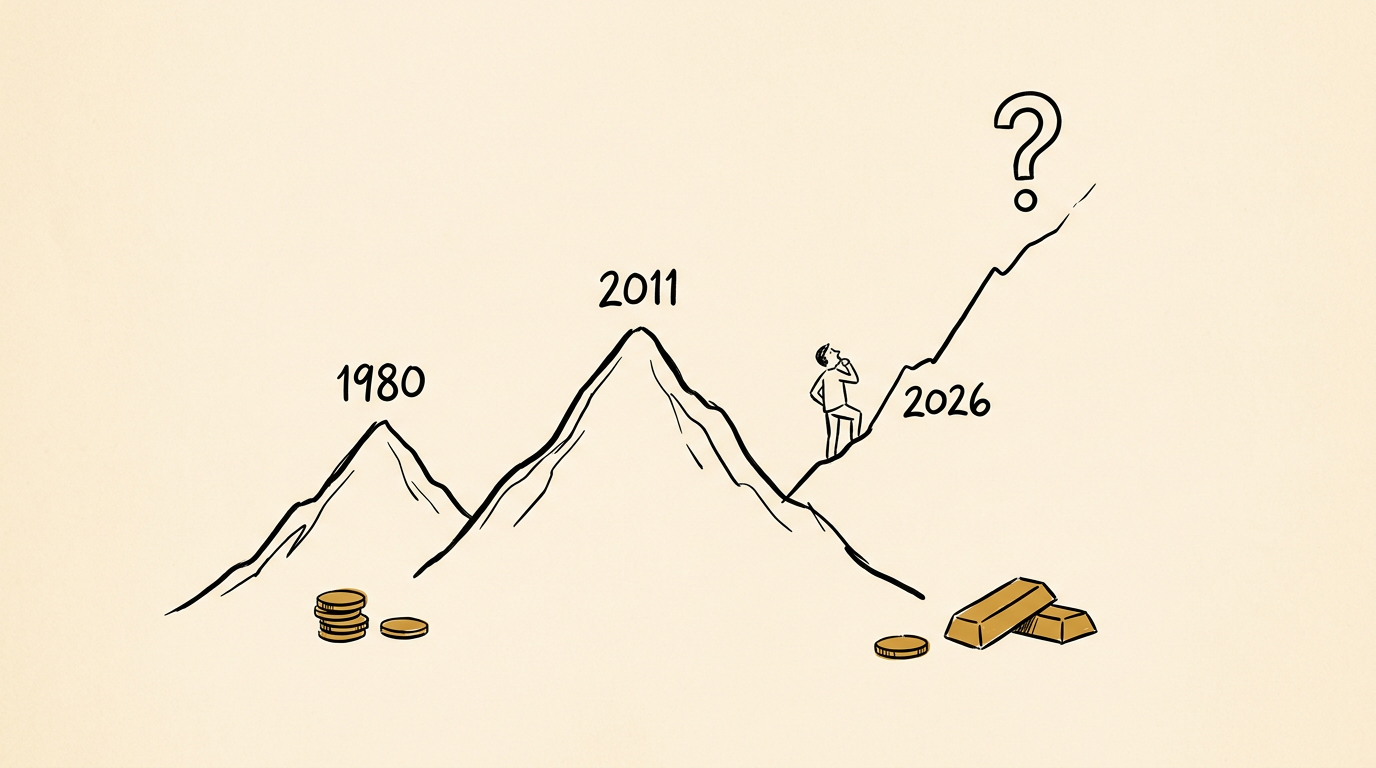
The question for buyers at $77: are you betting on silver’s precious metal characteristics or its industrial demand? If the primary driver is monetary debasement and continued central bank accommodation, gold’s recent strength suggests that trade is already crowded. Silver might offer a secondary play, but with added volatility.
What happens next?
Three indicators matter: whether silver can hold the $75 level, which would establish a higher low compared to recent months. Any movement in the gold-silver ratio toward 70 would signal relative value emerging. Industrial demand data from China and solar panel installations will clarify whether the industrial side can support current prices at $77. This article is for informational purposes only and does not constitute financial advice. Always do your own research before making investment decisions.
Sources & Data
- Silver Institute - annual World Silver Survey