On this page

Precious metals demand defies gravity at multi-year highs
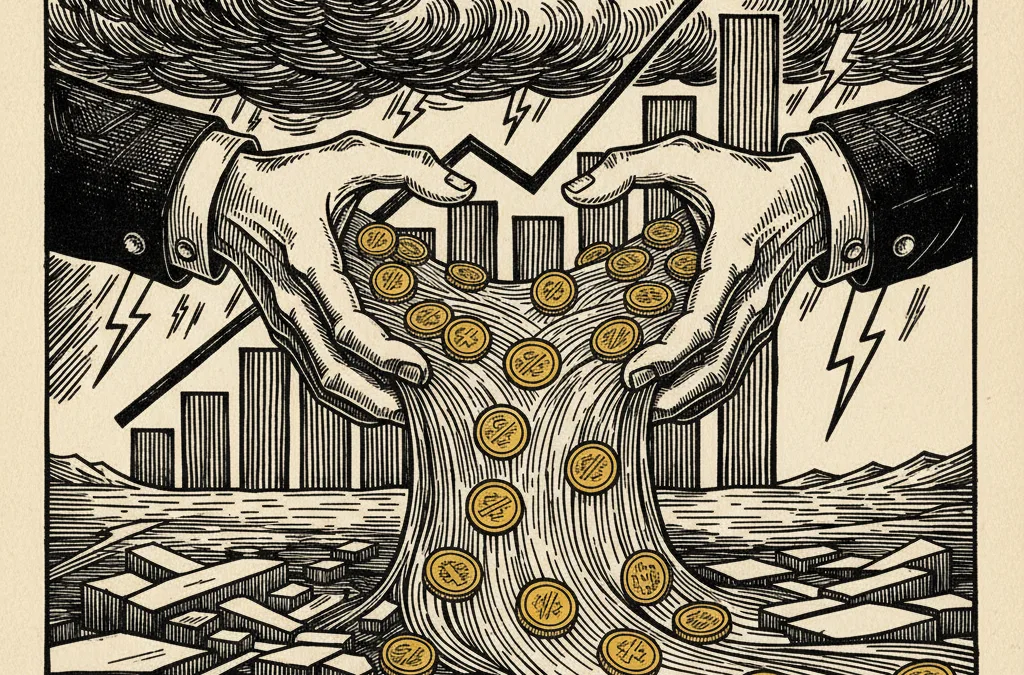
Buyers across major markets are absorbing gold and silver at elevated price levels, challenging the traditional assumption that higher prices automatically dampen consumption.
What to know
- Gold and silver demand remains robust despite prices holding near historical highs, suggesting a structural shift in buyer behavior
- Key consumption markets are adapting to a higher price environment rather than retreating from purchases
- The persistence of demand at current valuations points to changing motivations beyond traditional price sensitivity
The relationship between price and demand in precious metals markets appears to be evolving. While textbook theory suggests higher prices should suppress consumption, sustained buying interest continues across major markets even as gold and silver trade at valuations that would have seemed extraordinary just a few years ago.
What’s driving demand at these price levels?
Central bank accumulation continues to provide a structural bid beneath gold markets, with institutions prioritizing strategic reserves over price considerations. Individual buyers in key Asian markets - particularly India and China - are treating periodic price dips as entry points rather than abandoning the market entirely. The geopolitical backdrop of 2026, marked by trade tensions and currency volatility, appears to be reinforcing precious metals’ role as portfolio stabilizers.
Buying patterns suggest deliberate accumulation by participants with longer time horizons rather than speculative positioning.
Why does this matter for silver specifically?
Silver has experienced wild swings that put investment strategies under scrutiny, yet physical demand in industrial and investment channels hasn’t collapsed during price surges. Industrial users are locked into consumption patterns by manufacturing needs, while investors view the metal’s volatility as opportunity.
Solar panel manufacturing, electronics production, and emerging battery technologies create baseline demand that persists regardless of price fluctuations. When investment demand layers on top of this industrial floor, it creates a support structure that wasn’t as pronounced in previous decades.
What are the broader market implications?
If buyers are becoming less price-sensitive - or redefining what constitutes “expensive” - then traditional valuation metrics may need recalibration. Markets absorbed recent volatility where gold and silver tumbled without triggering sustained liquidation, suggesting a higher pain threshold among current holders.
Geographic diversification in consumption patterns is also visible. Markets that were historically price-sensitive are showing greater tolerance for elevated levels, possibly reflecting growing wealth in emerging economies.
What are we watching?
Physical premium structures in major markets will signal whether tightness is genuine - widening premiums over spot prices would confirm it, while contracting premiums might indicate buyers are reaching their limits. central bank buying patterns bear close attention, as any slowdown there could remove a critical support pillar. Whether demand resilience holds if prices push materially higher from current levels remains the open question. This article is for informational purposes only and does not constitute financial advice. Always do your own research before making investment decisions.