On this page
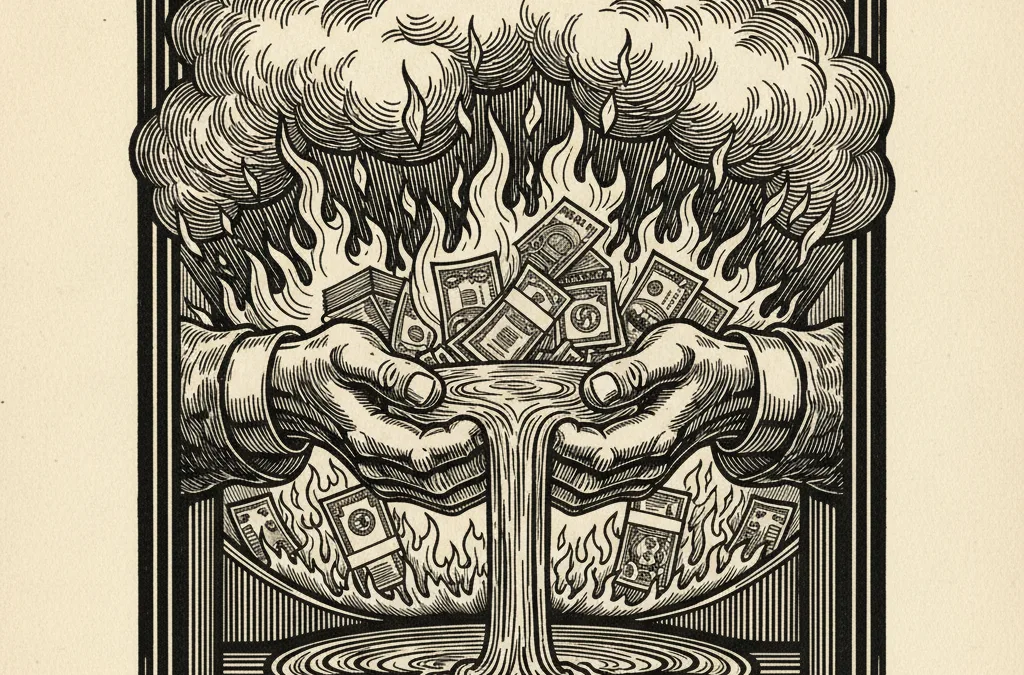
Gold and Silver Sell Off as Oil Shock Rewrites Rate Bets
A surge in energy prices driven by Middle East escalation has triggered a sharp sell-off in precious metals, as markets reprice inflation expectations and push back hopes of Federal Reserve rate cuts.
What to know
-
Gold has pulled back to $4,676.80/oz and silver to $72.17/oz following a broad commodities repricing driven by rising oil prices and renewed inflation fears.
-
The sell-off reflects a shift in rate expectations - higher energy costs make near-term Fed easing less likely, strengthening the dollar and pressuring non-yielding assets.
-
The gold-silver ratio has compressed to 64.8, suggesting silver’s industrial demand profile is amplifying its downside relative to gold in this risk-off environment.
What happened
Precious metals took a sharp hit this week as an oil price shock rippled through global markets. Gold is now trading at $4,676.80/oz, while silver sits at $72.17/oz - both nursing significant losses after what had been a strong start to 2026. The catalyst is clear: escalating conflict in the Middle East has sent crude prices surging, and the knock-on effect on inflation expectations has fundamentally altered the interest rate calculus.
The sell-off is counterintuitive at first glance. Geopolitical instability typically drives safe-haven demand for gold. But the current dynamic is more nuanced. Rising energy costs feed directly into headline inflation, and that makes it far harder for the Federal Reserve to justify the rate cuts that markets had been pricing in for the second half of the year. Higher-for-longer rates strengthen the dollar and raise the opportunity cost of holding non-yielding assets like gold and silver. That trade-off is winning out over the fear bid - at least for now.
Platinum and palladium have also softened, with platinum at $1,962.20/oz and palladium at $1,456.50/oz, though both are holding up relatively better given their industrial demand underpinning.
Who’s involved
The Federal Reserve is the central actor here, even without having made a move. FOMC communications have consistently flagged energy prices as a key variable in their inflation outlook. With crude surging on Middle East supply disruption fears, the Fed’s hand is being forced towards patience. Rate futures have already begun repricing, with expectations for a June cut fading rapidly.
Institutional investors appear to be trimming gold positions. The speed of the sell-off suggests systematic and momentum-driven funds are leading the move, rather than physical market participants. Central bank buying - which has been a structural pillar of gold demand above $4,000 - may provide a floor, but it rarely acts as a short-term counterweight to speculative liquidation.
Silver is taking a disproportionate hit, and the compressed gold-silver ratio at 64.8 tells part of the story. Silver’s dual identity as both a precious and industrial metal means it absorbs downside from two directions: the rates repricing hits its monetary appeal, while fears that an oil shock could slow global manufacturing weigh on its industrial demand outlook.
Why it matters
When Russia’s invasion of Ukraine sent energy prices spiralling in 2022, gold initially spiked before rolling over as the Fed embarked on aggressive tightening. Geopolitical shock drove energy higher, which in turn constrained monetary policy and ultimately pressured metals.
The difference this time is the starting point. Gold at $4,676 is a vastly different proposition to gold at $1,900. The structural demand from central banks, persistent fiscal deficits, and de-dollarisation trends provide a much higher floor than existed three years ago. Whether that floor holds if the Fed signals that rate cuts are off the table entirely for 2026 remains uncertain.
For silver buyers, the current weakness may present an opportunity - but only if the oil shock proves temporary rather than the start of a sustained supply disruption. A prolonged energy crisis would keep inflation elevated and rates high, creating persistent headwinds for the white metal.
What to watch
The next FOMC statement will be critical. Any shift in language around inflation risks or the pace of easing will set the tone for precious metals through Q2. Watch for changes in the dot plot projections and any explicit reference to energy price pass-through.
Oil price direction over the coming fortnight will determine whether this is a one-off repricing or the beginning of a deeper correction. If crude stabilises, the inflation scare fades and metals should find support. If it accelerates, expect further liquidation.
The gold-silver ratio deserves close monitoring. A move above 68 would signal that silver is entering genuine distress relative to gold. Extreme ratio readings have historically preceded sharp reversals, and for those tracking trusted bullion dealers, that could mark a tactical entry point.
This article is for informational purposes only and does not constitute financial advice. Always do your own research before making investment decisions.