On this page

Silver’s valuation gap creates portfolio puzzle for older investors
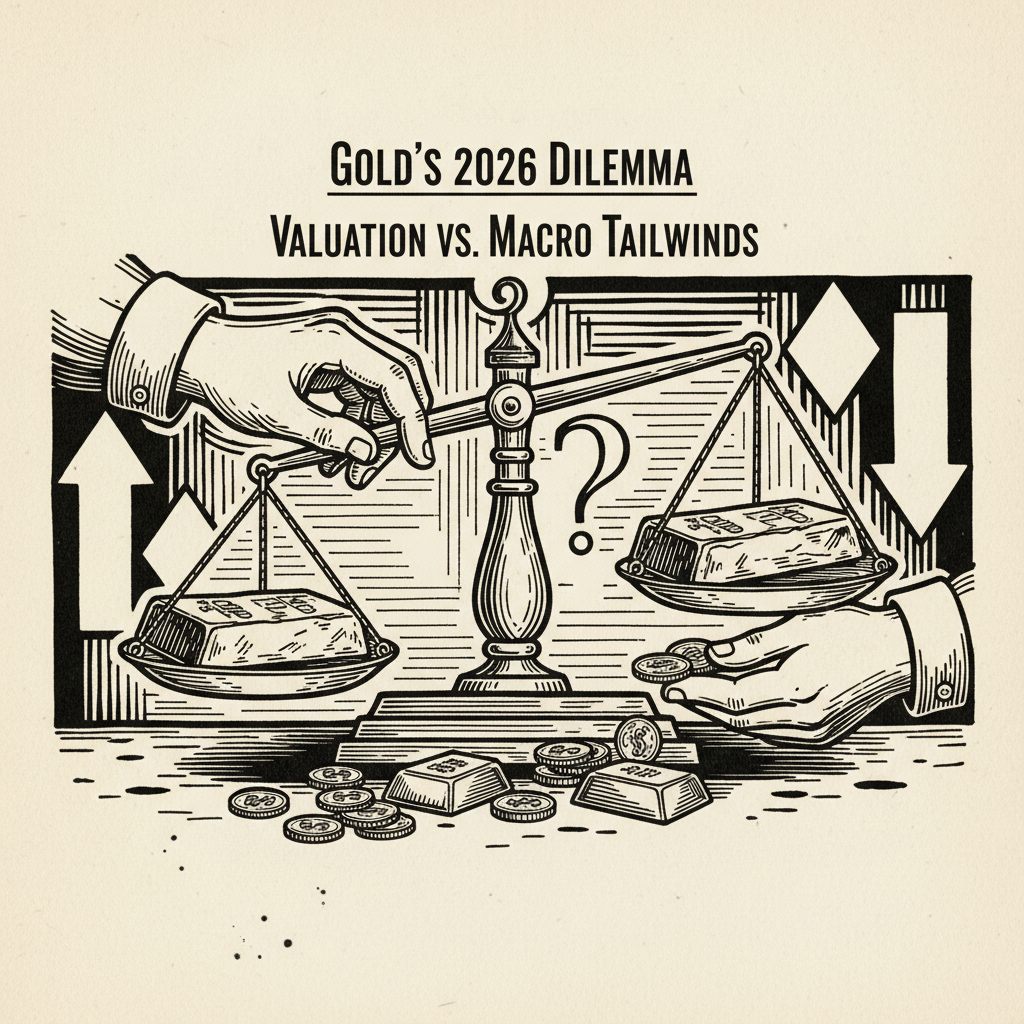
The gold-to-silver ratio sits near 88:1 versus a 70:1 historical average - creating a genuine allocation dilemma between stability and catch-up potential for investors over 50.
What to know
-
Gold-to-silver ratio currently near 88:1, above the 20-year average of approximately 70:1
-
Silver’s volatility runs 2-3 times higher than gold, creating amplified upside potential and greater downside risk during market stress
-
Industrial demand accounts for roughly 50% of silver consumption, providing economic growth exposure that gold’s primarily monetary role lacks
What’s behind the renewed focus on silver for older portfolios?
Silver trades around $32-33 per ounce compared to gold’s $2,850-2,900 range. The gold-to-silver ratio sits near 88:1, well above its 20-year average of roughly 70:1, suggesting silver remains historically cheap relative to gold.
For investors in their 50s and beyond, this creates a balancing act between capital preservation and growth potential during a critical wealth-building window before retirement. The question centres on which metal serves specific portfolio needs at this life stage.
Why does the risk profile shift matter at 50+?
Silver typically moves 2-3 times more dramatically than gold during both rallies and selloffs. A 10% gold move often translates to 15-20% in silver, which accelerates gains but also amplifies drawdowns during market stress.
Gold has performed its safe-haven role consistently during equity market turbulence, currency debasement, and geopolitical shocks. For those prioritizing capital protection over aggressive growth, that reliability matters.
Silver’s industrial demand component - roughly 50% of consumption comes from manufacturing, solar panels, and electronics - provides exposure to economic growth that gold doesn’t offer. This dual nature as both precious and industrial metal creates different return drivers worth considering for portfolio construction.
What does the current macro environment suggest?
Central bank gold purchases remain elevated, with institutions adding roughly 1,000 tonnes annually since 2022. This institutional bid provides a floor under gold prices that silver lacks. Silver inventories at major exchanges have dropped approximately 30% from 2021 peaks, creating potential supply constraints if industrial demand accelerates.
Gold responds to inflation expectations and real interest rates, while silver benefits from actual economic activity driving industrial consumption. With inflation still running above central bank targets but growth concerns persisting, these metals face mixed signals.
What are we watching?
The gold-to-silver ratio remains the primary focus - any sustained move below 80:1 would signal silver catching up to gold’s performance. Industrial demand data from China matters, as it consumes roughly 20% of global silver supply for manufacturing. Solar installation rates drive photovoltaic demand consuming over 150 million ounces annually.
A core gold position (5-10% of portfolio) for stability, with a smaller silver allocation (2-5%) for growth exposure, often makes more sense than choosing one exclusively. But the ratio between them shifts as industrial demand data and central bank buying patterns evolve. This article is for informational purposes only and does not constitute financial advice. Always do your own research before making investment decisions.
Sources & Data
- World Gold Council - quarterly Gold Demand Trends report
- Silver Institute - annual World Silver Survey