On this page
Gold’s Record Single-Day Drop in Pakistan Rattles Local Buyers
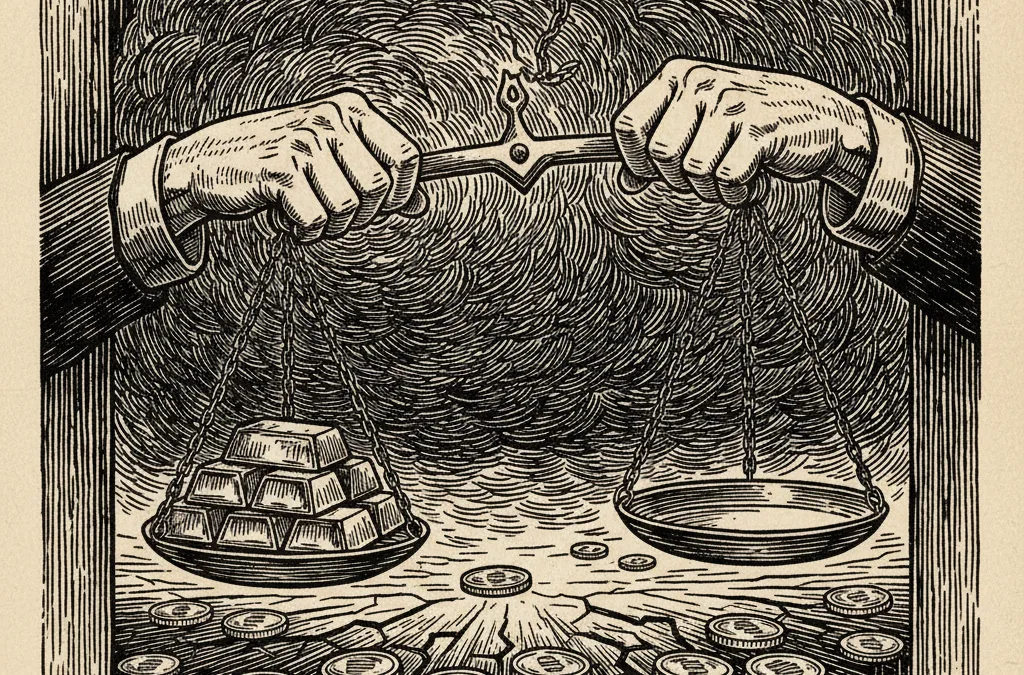
Pakistan’s gold market just recorded its largest single-session price collapse in history - a Rs43,600 per tola plunge that exposes the amplified volatility facing emerging market gold buyers caught between currency swings and global price shifts.
What to know
-
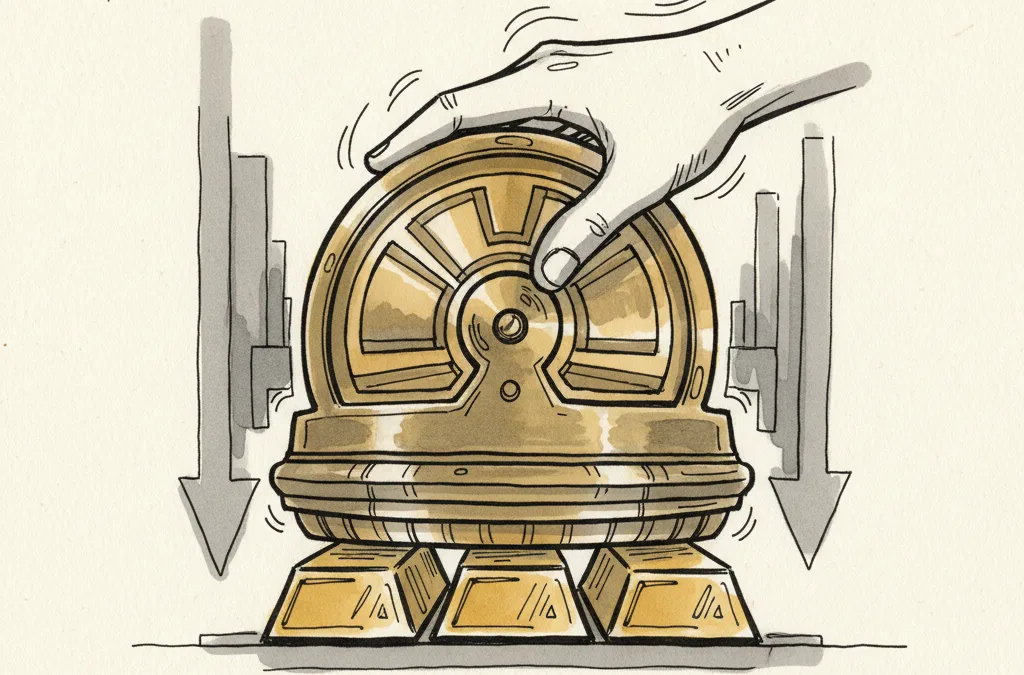
Gold prices in Pakistan fell a record Rs43,600 per tola in a single session, marking the steepest daily decline in the local market’s history.
-
International gold sits at $4,402.30/oz, with the Pakistan rupee premium and local demand dynamics amplifying moves in both directions.
-
The sell-off reflects a broader bearish shift, with local jewellers and retail buyers pulling back sharply after months of relentless price gains.
What happened
Gold in Pakistan suffered its largest single-day price drop on record, crashing Rs43,600 per tola in a session that cleared out the country’s bullion bazaars. A tola is roughly 11.66 grams - meaning the decline equated to over Rs3,700 per gram in local currency terms.
The collapse came with gold trading internationally at $4,402.30 per ounce. That level remains historically elevated - gold has more than doubled from its sub-$2,000 levels of early 2024 - but the Pakistan market amplifies global moves. Local pricing incorporates the international spot rate, the USD/PKR exchange rate, import duties, and a demand premium that swings depending on sentiment.
Previous record daily declines in Pakistan’s gold market were a fraction of this size, reflecting how stretched local prices had become during the preceding rally.
Who’s involved
Pakistan’s gold market is dominated by retail buyers and jewellers rather than institutional investors. Wedding season demand, which typically drives purchases between October and March, had been supporting elevated premiums for months. That demand has hit a wall.
Local bullion dealers report a sharp pullback in buying activity, with consumers balking at price levels that had pushed gold beyond the reach of middle-income households. Jewellers who built inventory at higher prices now face margin pressure as the market reprices lower.
The State Bank of Pakistan’s management of the rupee also plays a role. Any strengthening in the PKR against the dollar compresses local gold prices, and recent stability in the exchange rate has removed one of the tailwinds that had been inflating rupee-denominated gold.
Why it matters
Emerging market gold buyers face a double-edged sword. When global gold rallies coincide with local currency weakness, prices in markets like Pakistan, India, and Turkey overshoot dramatically. The reverse is equally brutal - any combination of a global pullback and currency stabilisation creates an amplified decline that punishes late buyers.
Pakistan’s gold market is the fifth-largest in Asia by consumption. A record daily drop of this scale will dent consumer confidence and likely suppress demand in the near term. Sharp corrections in South Asian gold markets typically trigger a period of buyer hesitation lasting four to six weeks before bargain hunters re-emerge.
Gold at $4,402 per ounce is testing the limits of affordability in key physical demand centres. The gold/silver ratio sitting at 63.9 suggests silver has been holding relatively firm, but the stress is showing up in local currency gold markets where the rally’s excesses are most visible.
What to watch
Whether this correction extends into a multi-session decline in Pakistan or stabilises quickly - the speed of recovery will indicate how deep the demand destruction runs. The USD/PKR exchange rate remains the key transmission mechanism between international and local prices.
More importantly for global markets - whether similar demand pullbacks materialise in India, the world’s second-largest gold consumer. Indian gold premiums have already been narrowing, and a synchronised retreat across South Asian markets would remove a significant pillar of physical support beneath the gold price at current levels. Japan’s inflation data, due imminently, could shift the macro picture if it surprises to the upside.
This article is for informational purposes only and does not constitute financial advice. Always do your own research before making investment decisions.