On this page
Why the gold and silver crash matters more than the rally
The violent reversal in precious metals after record highs reveals exactly why momentum-chasing in this market can be financially dangerous.
What to know
-
Both gold and silver reached all-time highs in recent weeks before experiencing sharp price declines
-
The crash demonstrates the extreme volatility inherent in precious metals markets, particularly silver
-
Investors entering near price peaks face significant drawdown risk without understanding market fundamentals
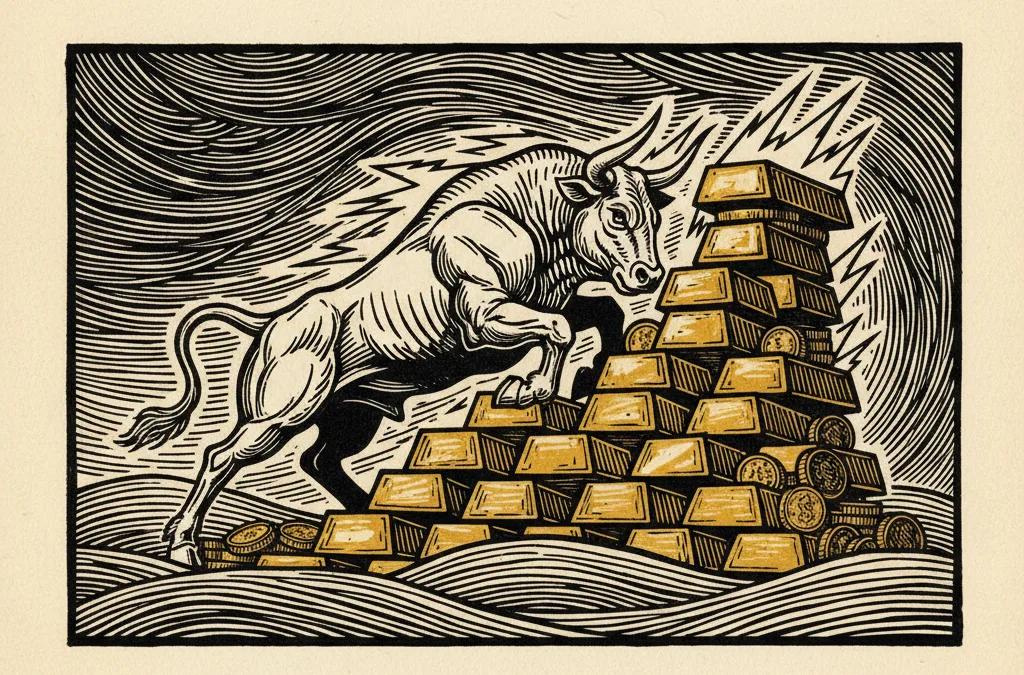
Gold and silver both punched through record levels before reversing sharply - a pattern that typically leaves late entrants nursing substantial losses while early movers bank profits. The whipsaw move over recent weeks demonstrates why this asset class demands respect.
What drove the initial rally to records?
Multiple tailwinds converged to push both metals into uncharted territory. Gold’s advance reflected persistent concerns about currency debasement, geopolitical tensions, and central bank accumulation that’s been running at historically elevated levels for nearly two years. Silver benefited from the same macro drivers while adding its own industrial demand narrative, particularly around solar panel manufacturing and electrification trends. The combination created a feedback loop where rising prices attracted speculative capital, which pushed prices higher still - until the dynamic reversed.
Why did prices crash after reaching peaks?
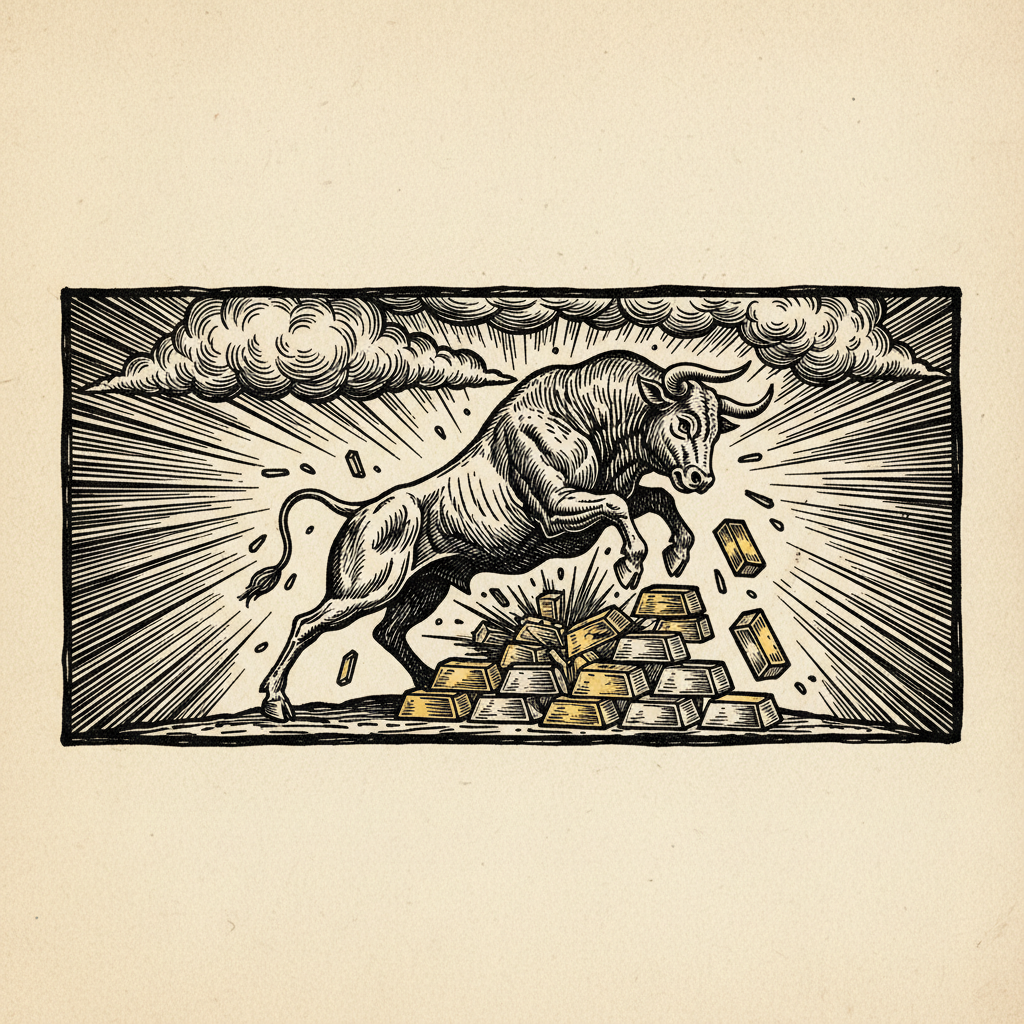
Precious metals markets are notoriously susceptible to violent corrections after parabolic moves. When gold or silver hits fresh records, retail interest surges while profit-taking from institutional holders accelerates. The crash likely stemmed from a combination of technical exhaustion, leveraged position unwinding, and the simple reality that nothing moves in one direction indefinitely. Silver, with its smaller market size and dual role as both precious and industrial metal, tends to experience more dramatic swings in both directions - a characteristic that makes it particularly treacherous for inexperienced investors.
This volatility dynamic isn’t theoretical. We’ve explored how silver’s volatility surge tests portfolio allocation strategies in ways that demand careful position sizing.
What are the broader implications for precious metals investors?
The rally-crash sequence exposes a fundamental truth about precious metals: timing matters enormously, and understanding why you’re investing matters even more. Investors who bought gold or silver purely because prices were rising - without grasping the underlying fundamentals or their own risk tolerance - now face decisions about whether to hold through drawdowns or realize losses. Those with longer-term allocation strategies based on portfolio diversification or inflation hedging can view corrections as opportunities rather than crises.
The recent price action also connects to broader headwinds facing the metals complex. Gold’s record rally faces its first real headwind as market conditions shift, suggesting the path forward may be considerably choppier than the ascent.
What are we watching?
Three dynamics: whether gold can establish a new trading range above previous resistance levels despite the pullback, how industrial demand for silver holds up amid global manufacturing data, and whether retail investor interest persists through volatility or evaporates at the first sign of sustained weakness. Price action around former support levels over the next few weeks should clarify whether this represents consolidation or something more significant. This article is for informational purposes only and does not constitute financial advice. Always do your own research before making investment decisions.