On this page

Gold’s Next Supply Frontier - E-Waste Recycling
With gold holding above $5,100 an ounce, the Royal Mint’s industrial-scale recovery of precious metals from discarded electronics is shifting from novelty to genuine supply-side factor.
What to know
-
The Royal Mint processes approximately 4,000 tonnes of electronic waste annually, recovering gold at a 99.9% extraction rate using proprietary chemistry.
-
Gold sits at $5,145/oz - up 1.87% over the past month - making urban mining economics increasingly attractive at current price levels.
-
Secondary supply from e-waste recycling remains a small but growing fraction of total gold supply, with implications for long-term mine dependency.
What happened
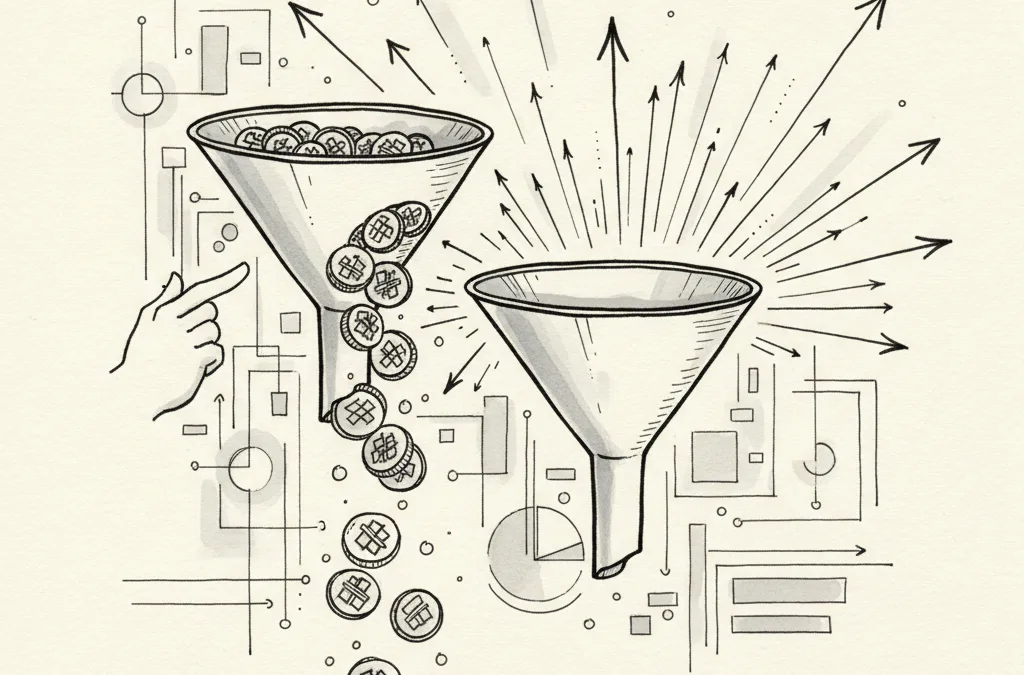
The Royal Mint - Britain’s 1,100-year-old institution best known for striking sovereign coins - has built one of Europe’s most advanced precious metals recovery operations. Its facility processes roughly 4,000 tonnes of electronic waste per year, stripping gold, silver, palladium, and other metals from discarded smartphones, laptops, and circuit boards at a reported 99.9% recovery rate.
The operation transforms what would otherwise be landfill into investment-grade metal, which the Mint then uses to manufacture jewellery and bullion products. The chemistry involved - a non-toxic, plant-based solvent system - sidesteps the traditional acid-bath methods that have made electronics recycling environmentally problematic for decades.
Who’s involved
The Royal Mint sits at the intersection of heritage credibility and modern innovation. Its hallmark carries weight in global bullion markets, meaning gold recovered from e-waste and stamped by the Mint trades at the same premium as conventionally sourced metal.
Beyond the Mint, the broader urban mining sector is expanding. Umicore in Belgium, Boliden in Sweden, and several Japanese refiners have scaled up e-waste processing in recent years. But the Mint’s entry is notable because it directly connects recovered metal to consumer-facing products - closing the loop in a way that pure refiners typically don’t.
On the demand side, ESG-conscious investors and jewellery buyers are increasingly asking about provenance. Recycled gold carries a lower carbon footprint than mined gold, and with gold trading at $5,145/oz - having touched $5,405 within the past month - the economics of recovery have never been more compelling. A single tonne of circuit boards contains roughly 150–400 grams of gold. At current prices, even the lower end of that range yields over $24,000 per tonne in gold value alone, before accounting for silver, palladium, and copper.
Why it matters
Global gold mine production has plateaued around 3,600–3,700 tonnes annually for several years. Discovery rates for new deposits are falling, and the average grade of mined ore continues to decline. Against that backdrop, secondary supply - recycled gold from jewellery, industrial scrap, and now electronics - is becoming structurally more important.
E-waste is the fastest-growing waste stream on the planet, with an estimated 60 million tonnes generated globally each year. Only about 20% is formally recycled. The untapped reservoir is enormous. If recovery infrastructure scales meaningfully over the next decade, it could add a non-trivial increment to annual gold supply - potentially dampening the scarcity premium that has helped push gold past $5,000.
That said, perspective matters. Even at 4,000 tonnes of e-waste processed, the Mint’s gold output from this stream likely measures in the low hundreds of kilograms annually - a rounding error against global mine supply. The significance is directional, not immediate.
What comes next
Whether other sovereign mints or major refiners announce similar programmes will signal how fast this sector can scale. The Royal Mint’s data on recovery rates, published on royalmint.com, sets a benchmark - if competitors match it, the sector could scale faster than expected.
The gold-to-silver ratio at 59.5 suggests silver remains relatively cheap. E-waste contains far more silver by weight than gold, meaning recycling economics improve across the precious metals complex as both metals appreciate. Silver’s 5.4% monthly gain reinforces that dynamic.
Regulatory momentum matters. The EU’s critical raw materials legislation is pushing member states toward higher recycling targets. If similar mandates emerge in the UK post-Brexit, the Mint’s head start becomes a strategic asset. Whether urban mining can grow fast enough to offset declining mine grades, or whether it simply adds a modest buffer to an increasingly tight physical market, depends on how quickly recovery infrastructure scales and what regulatory frameworks emerge.
This article is for informational purposes only and does not constitute financial advice. Always do your own research before making investment decisions.