On this page
Gold Eyes $5,000 Again as Iran Ceasefire Talk Builds
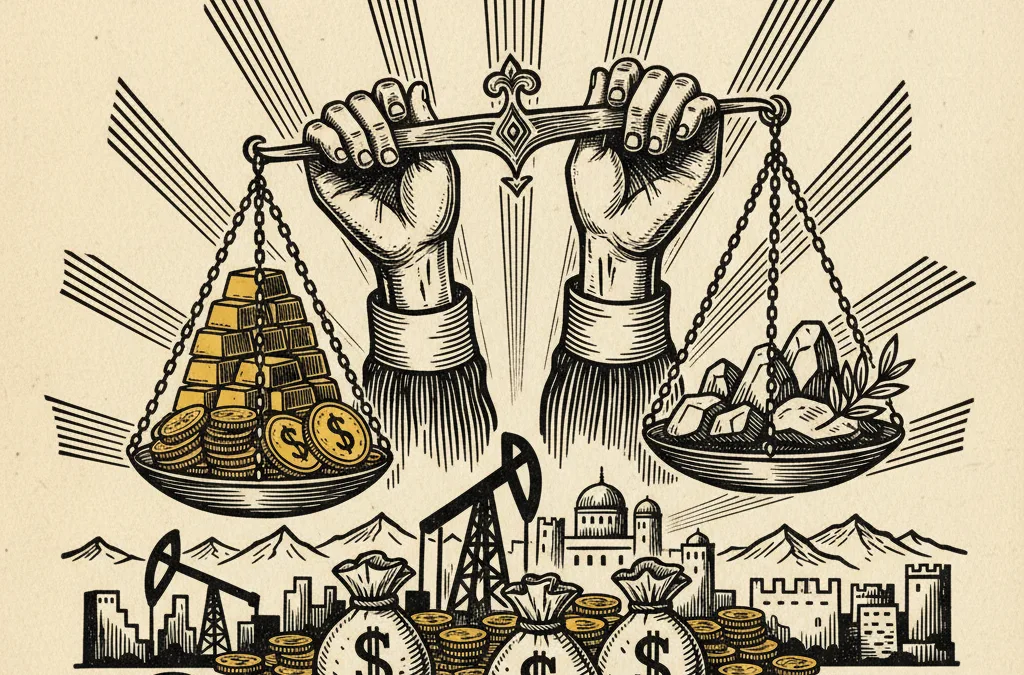
Gold is clawing back towards $5,000 on renewed US-Iran ceasefire optimism, but the metal’s wild 8% monthly drawdown suggests the recovery is far from secure.
What to know
-
Gold traded at $4,787 on 10 April, up 2.8% on the week but still down 8.5% from its monthly high near $5,230.
-
US-Iran ceasefire speculation is providing a bid, with $5,000 emerging as the next key psychological target.
-
US CPI data due today could reshape the trajectory - a hot print would complicate the bullish case by strengthening the dollar.
What happened
Gold has gained 2.8% over the past five sessions, trading at $4,787 per ounce after a punishing drawdown that saw the gold price tumble from its monthly peak near $5,230 to a low of $4,101 - a 21% swing that caught many leveraged longs off guard.
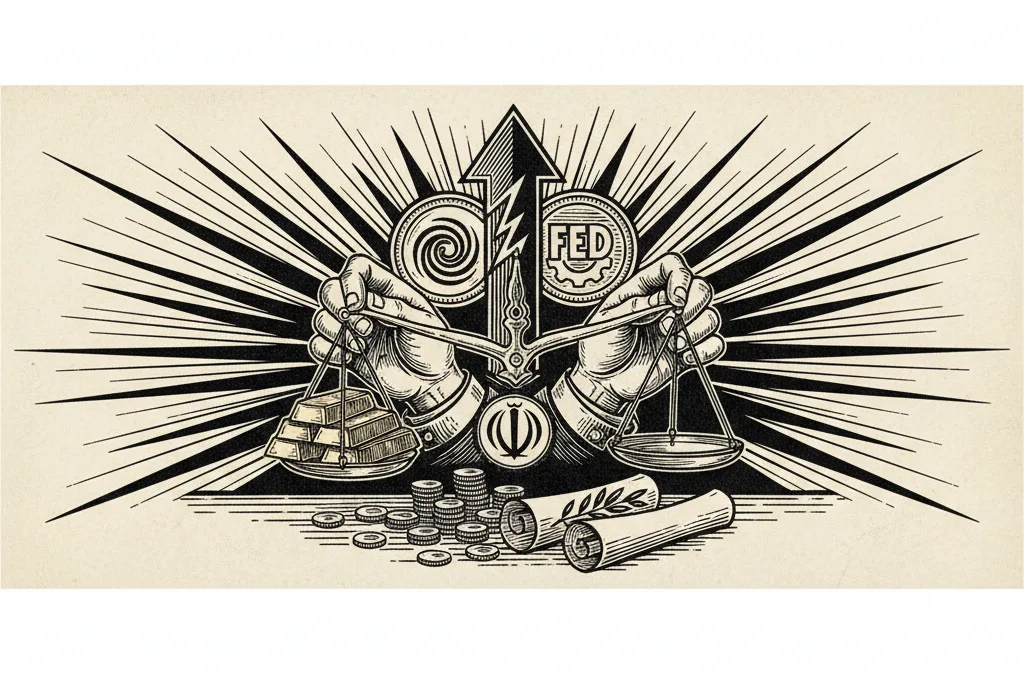
The catalyst for the latest uptick is growing optimism around a potential US-Iran ceasefire. Diplomatic signals have shifted noticeably in recent days, and the market is pricing in a reduced geopolitical risk premium. The $5,000 level - both a round number and a zone where gold traded comfortably just weeks ago - has re-emerged as a near-term target among bullish participants.
Today’s intraday range of $4,753 to $4,820 reflects cautious positioning ahead of US CPI data, with traders reluctant to commit heavily in either direction before the inflation print lands.
Who’s involved
Central banks remain the structural bid beneath this market. Their accumulation patterns through 2025 and into 2026 have created a floor that keeps getting tested but not broken for long. The dip to $4,100 last month attracted visible physical buying, particularly from Asian sovereign accounts that have been consistent accumulators above $4,000.
On the speculative side, managed money positioning appears to have been significantly cleaned out during the March-April correction. The drop from $5,230 likely flushed a substantial portion of the crowded long trade, which sets up a healthier foundation for the next leg higher.
The broader precious metals complex is confirming the recovery. Silver is up 5.2% on the week at $76.41, while platinum has surged 5.6% to $2,067. The gold-silver ratio sitting at 62.7 shows silver outperforming on the rebound - a pattern typically associated with genuine risk appetite returning to the metals space rather than pure safe-haven flows.
Why it matters
The US-Iran dynamic is the swing factor here, and it cuts both ways. A credible ceasefire would logically reduce the geopolitical premium embedded in gold - the same premium that helped drive the metal above $5,000 in the first place. Yet the market is treating ceasefire prospects as bullish, which reveals something important about gold’s current psychology.
The bid is no longer purely about geopolitical fear. It reflects deeper structural concerns - fiscal deficits, central bank diversification away from dollar reserves, and persistent inflation that refuses to return cleanly to target. A ceasefire removes one source of uncertainty but does nothing to address these underlying drivers.
Gold often sells the rumour and buys the fact during previous geopolitical de-escalations, dipping on initial peace signals before resuming its trend once the risk premium recalibrates. The 8.5% monthly decline may have already priced in a meaningful portion of the geopolitical unwind.
What to watch
US CPI data dropping today is the immediate catalyst. Core inflation momentum will matter more than the headline figure. A reading that reinforces the case for Federal Reserve rate cuts would give gold a second tailwind alongside the ceasefire narrative. A hot print could stall the recovery by bolstering the dollar.
The $4,820 level - today’s session high - is the first resistance to clear. Above that, $4,900 and then the psychological $5,000 mark become the targets. On the downside, $4,750 has acted as short-term support this week. ECB’s Guindos speaks today - any dovish lean from Frankfurt would support euro-denominated gold and add to the global bid. The interplay between diplomatic progress on Iran and incoming inflation data will determine whether this recovery has legs or stalls.
This article is for informational purposes only and does not constitute financial advice. Always do your own research before making investment decisions.