On this page
Gold ETF Demand Craters 73% - But Price Holds Firm
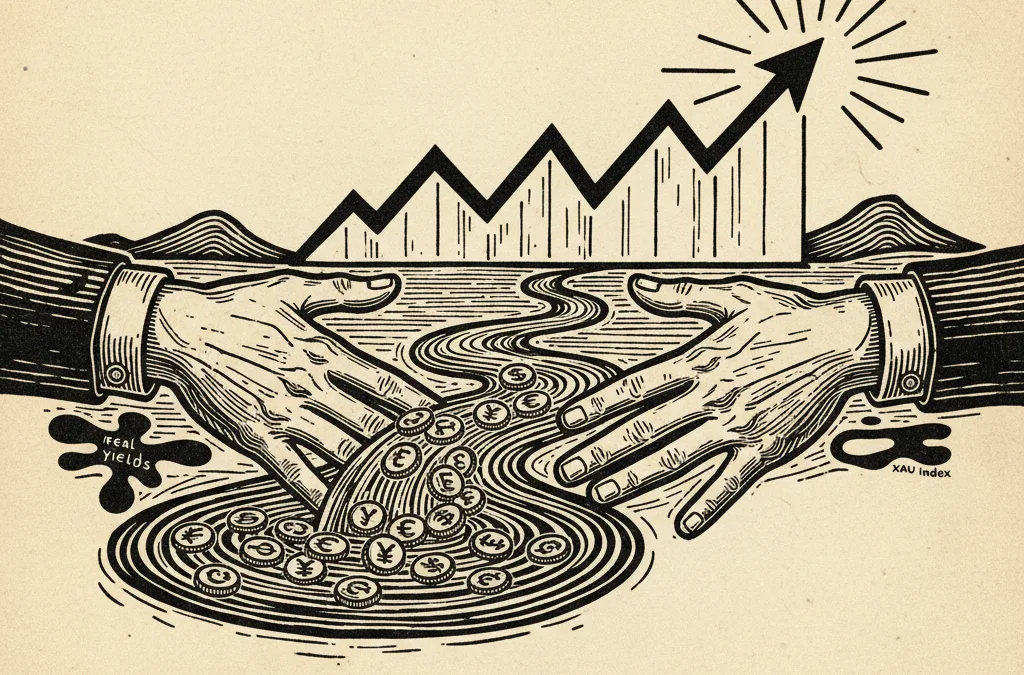
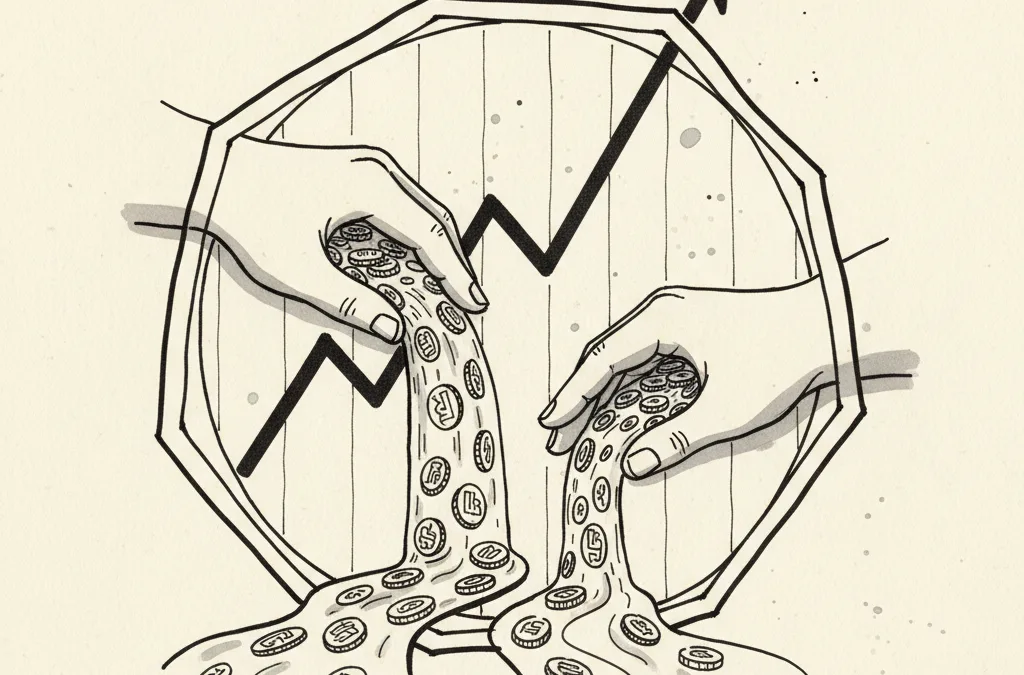
A massive collapse in gold ETF inflows has done almost nothing to dent a metal still trading above $4,600, revealing just how much the demand picture has shifted away from Western financial products.
What to know
-
World Gold Council figures show gold ETF demand plunged 73%, marking one of the sharpest quarterly declines on record.
-
Gold is trading at $4,635/oz - virtually flat on the day and up 2.4% on the month despite the ETF exodus.
-
Central bank buying and physical demand in Asia appear to be more than compensating for the ETF outflow.
What happened
World Gold Council data reveals a 73% drop in gold ETF demand - a figure that would have triggered panic selling just a few years ago. The decline is one of the most dramatic quarterly contractions in the product’s two-decade history, eclipsing even the sharp outflows seen during the 2013 taper tantrum.
Yet gold sits at $4,635.40 per ounce today, barely moving. The day’s range of $4,550.80 to $4,644.60 shows orderly trading, not distress. Over the past month, gold has actually gained $109.40, or 2.4%. The disconnect between ETF flows and price action is extraordinary.
Silver holds at $73.85 and is up 5% on the month. The gold-silver ratio at 62.8 remains compressed by historical standards, suggesting broad precious metals strength rather than a flight-to-safety spike in gold alone.
Who’s involved
The sellers are predominantly Western institutional and retail investors rotating out of gold ETFs. This cohort has been the swing factor in gold demand for years - their buying drove the 2020 surge, and their selling amplified the 2022 pullback.
But the buyers keeping gold elevated are a different breed entirely. Central banks - particularly those in China, India, Poland, and across the Middle East - have been absorbing physical gold at a pace that dwarfs ETF flows. This structural shift has been building since 2022, and the latest ETF data crystallises it. The price-setting mechanism for gold has migrated east and into sovereign vaults.
Asian retail demand, especially through exchanges in Shanghai and Mumbai, has also remained robust. Chinese consumers and investors have been channelling savings into gold amid property market uncertainty, while Indian demand stays seasonally firm.
Why it matters
For the better part of two decades, ETF flows were the single best leading indicator for gold. When GLD and its peers saw inflows, gold rallied. When they bled tonnage, gold fell. That relationship has broken down comprehensively.
Gold has rallied from roughly $2,000 to above $4,600 over the past two years while ETF demand has been inconsistent at best. The 73% plunge simply underscores what the price has been telling us - ETF investors are no longer the marginal buyer that matters.
Gold’s price floor now appears to be set by actors with far less price sensitivity than ETF traders. Central banks buying for reserve diversification do not panic-sell on a hawkish Fed dot plot. Physical buyers in Asia accumulate on dips rather than chasing momentum. This makes gold structurally stickier at elevated levels.
It also complicates the bear case. Those waiting for an ETF-driven unwind to short gold are fighting a market where the dominant buyers operate outside Western financial plumbing.
What to watch
China’s NBS Manufacturing and Non-Manufacturing PMI readings landing today will signal whether the economic backdrop supporting Asian physical demand remains intact. Weaker numbers could slow Chinese retail buying, though historically they have also triggered safe-haven flows.
French GDP and inflation data, also due today, will shape European Central Bank rate expectations - a factor that still influences euro-denominated gold ETF appetite.
The $4,550 level is worth watching. Gold tested it intraday today and bounced. A sustained break below would suggest the ETF outflow narrative is finally gaining traction with physical buyers. But as long as gold holds above $4,400 - the monthly low - the structural bid from non-ETF demand looks firmly in control.
The gold-silver ratio at 62.8 bears watching too. If silver continues outperforming, it signals industrial and investment demand broadening beyond gold.
This article is for informational purposes only and does not constitute financial advice. Always do your own research before making investment decisions.