Gold Holds Near $5,000 as Fed and Iran Collide
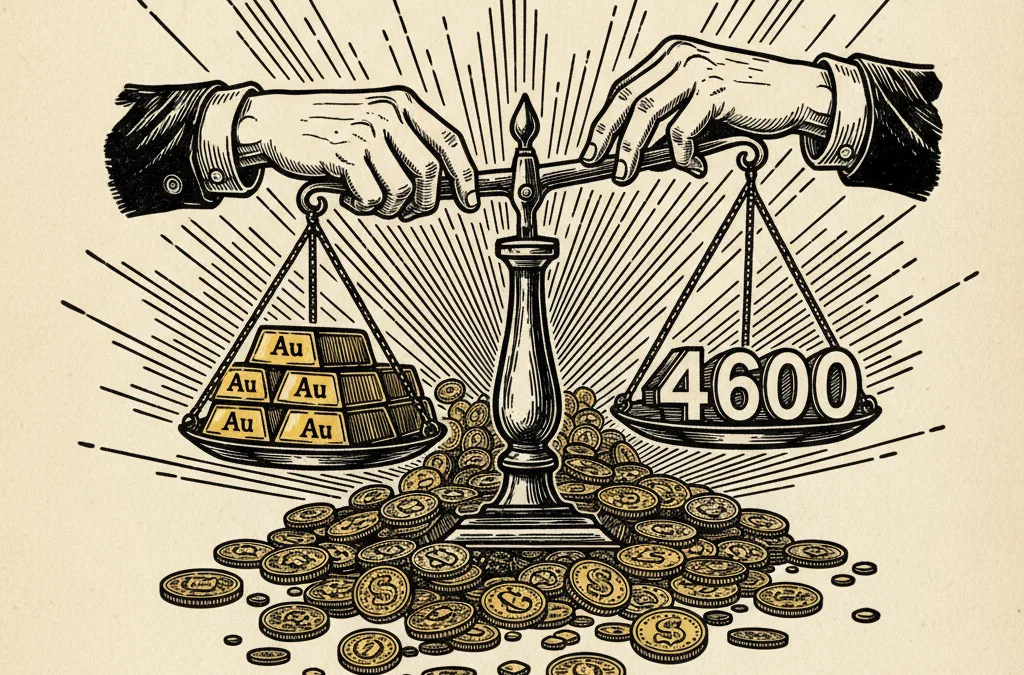
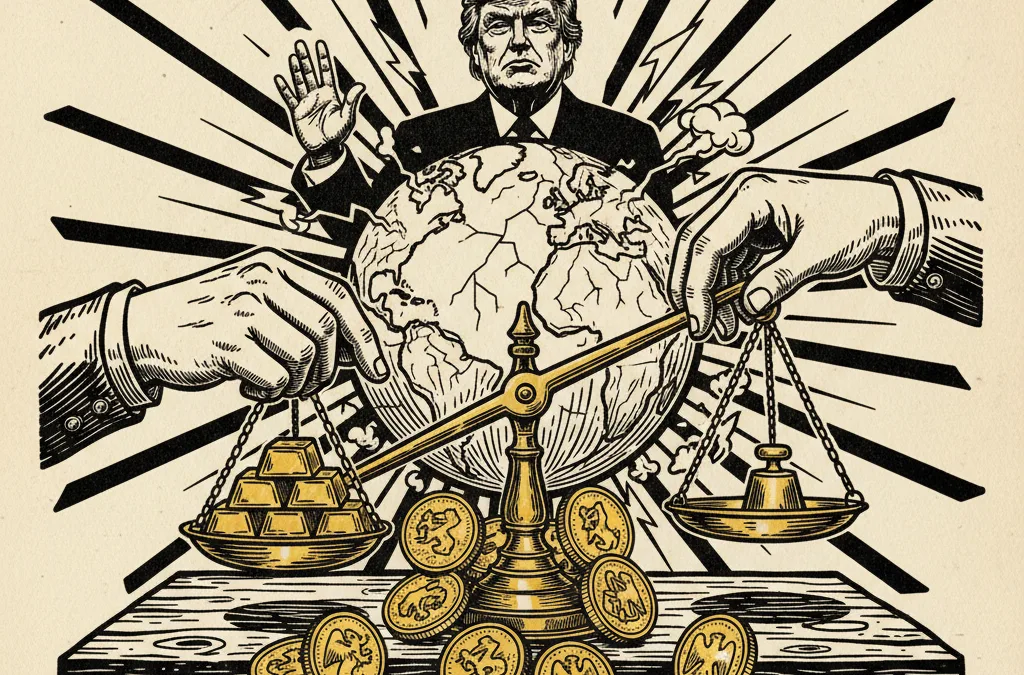
Gold is consolidating just below the $5,000 barrier with traders caught between escalating Middle East tensions and a Federal Reserve decision that could reshape rate expectations within hours.
How central bank policy, interest rates, inflation data and geopolitics are shaping precious metals markets.
47 articles · Page 2 of 4
Gold is consolidating just below the $5,000 barrier with traders caught between escalating Middle East tensions and a Federal Reserve decision that could reshape rate expectations within hours.
After years of defying traditional correlations, gold's rally back above $5,000 is being driven by exactly the force it was always supposed to respond to - inflation fear.
Gold is trading just shy of the $5,000 psychological barrier, with escalating Iran tensions and persistent central bank accumulation creating a dual-engine bid that shows no sign of stalling.
Gold's failure to rally amid a major Middle Eastern conflict signals that macro forces - particularly rate expectations and dollar strength - are overpowering traditional safe-haven reflexes.
With gold above $5,000 and resource nationalism surging across Africa, investors are paying steep premiums for North American mining assets - and the gap is only widening.
Central bank gold accumulation has shifted from cyclical to structural, creating a persistent demand floor that is fundamentally re-rating the metal's fair value range.
Escalating tensions around Iran are reinforcing gold and silver's role as geopolitical hedges, but today's US CPI print could determine whether the rally extends or stalls.
The $1.7 trillion private credit market is emerging as a macro fault line - and gold's steady climb above $5,100 suggests investors are already pricing in the tail risk.
Gold is caught between two powerful forces - escalating geopolitical risk from Iran and the looming question of whether US inflation data will give the Fed room to ease - and the resulting tug-of-war.
A nearly $190 intraday range in gold reveals a market caught between geopolitical fear and a surging dollar, with the greenback ultimately dictating direction.
A softer-than-expected US jobs print has gold clawing back losses after its sharpest weekly pullback in months, with Fed rate cut expectations now firmly back in play.
Central banks are accelerating their shift away from dollar reserves and into gold - a structural trend that's quietly underpinning prices even during short-term pullbacks.